Understanding the Local Dress Code
Morocco is a country rich in cultural heritage, where traditional values significantly influence the local dress code. Understanding the importance of clothing in this context is key for visitors seeking to navigate their time in this vibrant nation respectfully. In Moroccan culture, especially among women, modesty in attire is not only customary but also deeply ingrained in social interactions. Adhering to these traditions enhances mutual respect between tourists and locals, fostering an environment of understanding.
When traveling through Morocco, it is essential to recognize that the dress code is not uniform across the country. Different regions exhibit varying degrees of conservatism. Major cities such as Marrakech and Fes, being popular tourist destinations, typically strike a balance between Western influence and traditional Moroccan attire. In these urban areas, you may observe a broader range of clothing styles, from flowing caftans to stylish modern outfits. However, it is crucial for women in particular to opt for clothing that covers the shoulders and knees, aligning with the prevailing expectations of modesty.
In contrast, rural areas of Morocco can showcase a more conservative approach to dress. In these regions, women often wear traditional garments like the djellaba or the kaftan, which not only provide comfort in warm weather but also adhere to cultural norms. This understanding of how clothing reflects local values is vital for travelers wishing to engage positively with the community. Engaging with locals while demonstrating respect for their dress code can lead to more authentic interactions and a deeper appreciation of Moroccan culture.
As visitors plan their attire for Morocco, integrating modest clothing choices with comfort will enhance their overall experience while ensuring respect for the local customs. By embracing the local dress code, travelers can navigate Morocco confidently and appreciatively.
The Climate Challenge
The climate of Morocco presents a unique challenge when packing for a visit, particularly during the warmer months. With its diverse geography, the temperatures can vary significantly from one region to another. Coastal cities like Casablanca and Essaouira generally experience milder temperatures influenced by the Atlantic Ocean, while inland areas such as Marrakech and the Sahara Desert can reach sweltering highs during summer, often exceeding 40°C (104°F). Understanding these varying conditions is crucial for selecting appropriate clothing that balances comfort with modesty.
In Morocco, summer months from June to August can be particularly punishing, with the sun’s rays peaking during the day. Therefore, breathable fabrics such as cotton and linen become indispensable. These materials not only allow air circulation but also effectively wick moisture away from the skin, which can help keep you cool. Layering is another important consideration; while it may be hot during the day, temperatures can drop significantly in the evening, particularly in desert regions. A light cardigan or scarf can provide warmth while still adhering to cultural norms of modesty.
Moreover, selecting attire that covers your arms and legs is advisable. Long, loose-fitting garments not only align with local customs but also protect the skin from harmful UV rays. Choosing light-colored clothing can further mitigate heat absorption. Accessories such as wide-brimmed hats and sunglasses can also play a vital role in offering protection against the sun while enhancing your overall style. By thoughtfully considering the local climate, you can ensure a comfortable and stylish wardrobe for your travels in Morocco, successfully navigating the balance between warmth, comfort, and cultural sensitivity.
Outfit Options for Female Travelers
When preparing for a trip to Morocco, it is essential for female travelers to select outfit options that ensure both modesty and comfort, especially in the country’s warm climate. To achieve this balance, lightweight maxi dresses serve as an excellent choice. These dresses not only provide full coverage but also permit breathability, allowing for comfort during hot afternoons. Many maxi dresses come in vibrant prints and can be dressed up or down depending on the occasion, making them a versatile addition to your travel wardrobe.
Another option worth considering is loose-fitting pants made from breathable fabrics like cotton or linen. These pants offer the necessary coverage while allowing air circulation, which is critical in warm weather. Pairing these trousers with tunics is an effective way to create a modest appearance, while the loose fit promotes ease of movement. Select tunics that feature lightweight materials and interesting patterns to maintain a stylish look without compromising on comfort.
Shawls or cardigans can be invaluable pieces when dressing for Morocco. These layers allow female travelers to adapt their outfits quickly, providing modest coverage when visiting religious sites or transitioning from day to evening activities. A lightweight shawl can be draped over shoulders or wrapped around the waist, adding an element of elegance to an otherwise casual outfit. When selecting these versatile pieces, aim for neutral or earthy colors that can easily mix and match with printed dresses or patterned pants, creating a cohesive travel wardrobe.
By choosing outfits that incorporate maxi dresses, loose-fitting pants, and lightweight layering options, female travelers can enjoy a comfortable yet modest approach to fashion during their time in Morocco. This approach not only respects cultural norms but also allows for a practical and stylish travel experience.
Fabric Choices Matter
When preparing for a trip to Morocco, the selection of fabrics for clothing is crucial in balancing comfort and modesty, especially in warm weather. Travelers should consider fabrics such as cotton, linen, and breathable blends, as these materials provide not only a stylish appearance but also the necessary functionality required to endure the heat.
Cotton is a highly favored fabric due to its soft texture and excellent breathability. It has the ability to wick moisture away from the skin, making it an ideal choice for hot climates. Moreover, cotton garments are quite versatile, fitting the modesty requirements while allowing ease of movement. The fabric also washes easily and dries quickly, which is an added advantage for travelers concerned about laundry while on the go.
Linen is another excellent option, known for its exceptional cooling properties. This fabric allows air to flow freely, which can help regulate body temperature during the sweltering Moroccan summers. Linen’s natural texture can lend a more sophisticated look, perfect for cultural explorations or dining out in local restaurants. However, it’s worth noting that linen tends to wrinkle more easily, which might be a consideration for travelers who prefer a more polished appearance.
In addition to cotton and linen, breathable blends incorporating synthetic fibers can provide further comfort. These blends often feature moisture-wicking properties, while also adding durability and wrinkle resistance. Garments made from such fabrics can effectively support an active travel itinerary, maintaining a neat look throughout the day.
In conclusion, making informed choices about fabric when packing for a trip to Morocco is essential. By selecting breathable materials like cotton, linen, and functional blends, travelers can enjoy a comfortable experience while adhering to modesty considerations, thus making the most of their journey. Proper fabric selection ultimately enhances both comfort and functionality during warm weather explorations.
Accessorizing Wisely
When preparing for a trip to Morocco, it is essential to recognize the significance of accessories as not just supplementary elements of an outfit, but as practical tools that can enhance both comfort and modesty. The Moroccan climate is characterized by warm temperatures, and the right accessories will not only help adhere to cultural norms but also provide necessary protection against the sun’s rays.
One of the most versatile accessories to consider is the scarf. Scarves can serve multiple purposes; they can be draped over the shoulders or wrapped around the head when visiting religious sites, ensuring adherence to local customs. A lightweight, breathable scarf can also help shield the neck and shoulders from intense sun exposure, making it a practical choice. Opting for vibrant colors or intricate patterns can add a personal touch, allowing travelers to express their fashion sense while maintaining appropriate modesty.
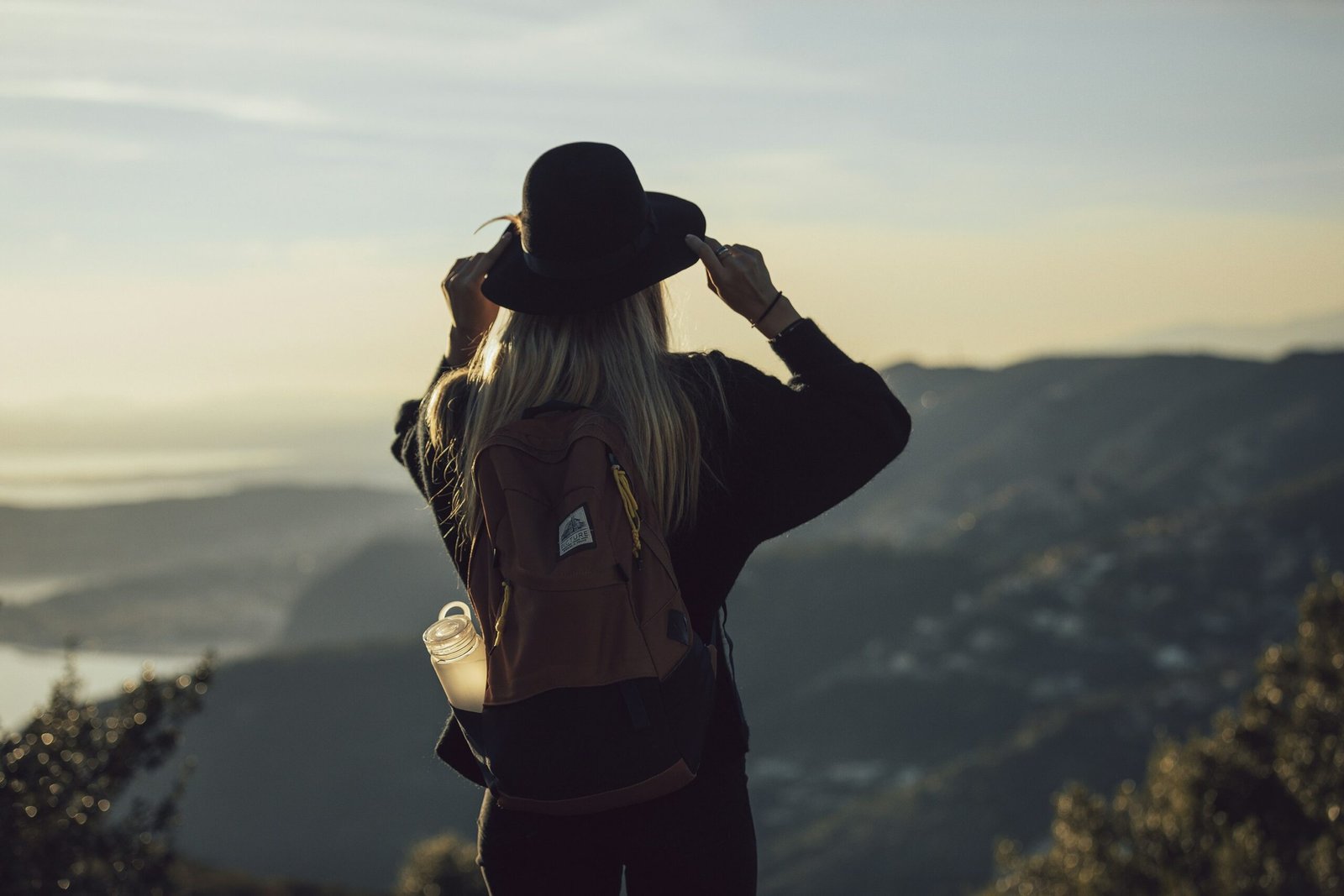
Hats are another excellent accessory for warm weather in Morocco. A wide-brimmed hat not only adds a stylish element to an outfit but also offers substantial sun protection, helping to keep the face and neck shaded. This is particularly important during the peak heat of the day. Selecting a hat made of natural materials will facilitate better airflow and comfort, enhancing the overall travel experience.
Sunglasses are an indispensable accessory when traveling in sunny destinations like Morocco. Beyond their practicality in reducing glare, fashionable sunglasses can also complement modest outfits and serve as a statement piece. To ensure protection, choose sunglasses with a UV rating; this will help preserve eye health while exploring the vibrant markets or stunning landscapes.
Ultimately, utilizing accessories like scarves, hats, and sunglasses effectively not only serves functional purposes but also allows you to tailor your travel wardrobe, balancing personal expression with the cultural expectations of Morocco.
Footwear for Comfort and Style
When traveling to Morocco, selecting the right footwear is essential for balancing comfort and modesty, particularly given the diverse terrains one may encounter. From bustling city streets in Marrakech to serene beaches along the Atlantic coast, the footwear chosen can significantly impact one’s travel experience.
Comfort should be a primary consideration, as travelers can expect to walk considerable distances exploring markets, historical sites, and picturesque neighborhoods. Lightweight sneakers are an excellent option for those who prioritize comfort, offering support for long walks and the ability to navigate uneven surfaces with ease. Look for breathable materials to ensure feet stay cool even in the heat. Additionally, these sneakers can be paired with more modest attire, aligning with the local culture while maintaining a fashionable appearance.
Flats and sandals present another viable option for exploring Morocco. Opt for closed-toe flats for urban environments, as they provide a level of protection while still ensuring a chic look. Sandals should be chosen wisely; consider styles with secure straps, which will keep them in place during activities such as hiking or walking on sandy surfaces. It is advisable to select sandals made from materials that are easy to clean, considering the dust and sand commonly found in many regions.
Moreover, it is crucial to bear in mind the cultural aspects of footwear when dressing for Morocco. Footwear should reflect respect for local customs; thus, choosing styles that are not overly revealing aligns well with the modest dress codes prevalent in many Moroccan areas. By prioritizing practical yet stylish options, travelers can enjoy their Moroccan adventure comfortably while also being considerate of the rich culture they are engaging with.
Top Packing Tips for Morocco
Packing for a trip to Morocco necessitates a strategic approach that combines modesty, comfort, and adaptability to warm weather. The unique blend of culture and climate requires careful selection of clothing and essentials to ensure a pleasant experience. One of the most effective packing tips is to choose lightweight and breathable fabrics that allow for ease of movement and avoid overheating. Opt for materials such as cotton or linen, which not only provide comfort but also maintain modesty in line with local customs.
Another key aspect of packing efficiently is layering. As temperatures can fluctuate between day and night, packing layers such as long-sleeve shirts, light cardigans, and breathable scarves will allow for flexibility. These items can easily be added or removed depending on the weather, helping maintain comfort while remaining stylish. A lightweight, packable jacket can also serve as a useful addition to accommodate unexpected weather changes, ensuring that you are prepared for a variety of conditions.
When it comes to organizing travel essentials, utilizing packing cubes can greatly maximize luggage space. By categorizing items by type or outfit, you can quickly access what you need without rummaging through your entire suitcase. Moreover, consider packing a versatile dress that can transition from day to evening, allowing for more outfit options without adding bulk to your luggage. Footwear should also be chosen wisely; select comfortable walking shoes for daytime activities, while packing a pair of modest sandals for evenings. Utilizing these packing tips will enable female travelers to balance modesty and comfort, ensuring a memorable and enjoyable stay in Morocco.
Dealing with Street Harassment
Street harassment can be a challenging experience for many travelers, particularly in vibrant and culturally rich locations like Morocco. Understanding the dynamics of street harassment in this context can help individuals navigate these situations more effectively. It is essential to recognize that clothing choices can influence the attention received, as casual and revealing attire might draw unwanted attention in conservative areas. Opting for outfits that align with local customs can mitigate some of this interaction while promoting comfort in warm weather.
When preparing for a trip to Morocco, it is beneficial to consider incorporating lightweight, breathable fabrics and modest cuts. Loose-fitting garments such as maxi dresses, long skirts, and wide-leg trousers can provide warmth without sacrificing comfort. These clothing items not only respect the cultural norms of modesty but also allow for ease of movement, crucial for exploring the bustling streets and vibrant markets.
While it is unfortunate that street harassment exists, maintaining confidence and poise in uncomfortable situations is vital. One effective strategy is to remain aware of your surroundings. This awareness enables you to preemptively identify potential harassment, allowing you to navigate away quickly if necessary. Additionally, confidently asserting yourself, whether through verbal communication or body language, can deter further unwanted attention. A firm “no” and a direct gaze can convey disinterest and strength, which may help in asserting personal boundaries.
Moreover, forming a supportive network with fellow travelers or locals can provide reassurance and shared experiences. Engaging in dialogue about these situations can empower individuals to develop effective coping mechanisms. In essence, understanding the cultural context and reacting with assurance can significantly enhance personal safety and comfort while exploring Morocco.
Embracing Moroccan Culture Through Fashion
Traveling to Morocco presents a unique opportunity to immerse oneself in the rich tapestry of its culture, and one of the most effective ways to do this is through fashion. The traditional attire of Morocco is deeply intertwined with the country’s history and customs, reflecting influences from Berber, Arab, and French cultures. By embracing local styles, travelers can show respect for Moroccan customs while also enhancing their own travel experience.
When preparing for a trip to Morocco, it is advisable to explore the vibrant souks and markets that are scattered across cities like Marrakech and Fez. These bustling marketplaces are treasure troves of traditional garments, such as the versatile djellaba, which offers both comfort and modesty in warm weather. By incorporating locally made clothing into your wardrobe, you not only embody the spirit of Morocco but also support local artisans who pour their skills and heritage into each piece.
Accessories further enrich the experience of blending in with the local culture. Intricately designed scarves, handcrafted jewelry, and leather goods can be easily integrated into your travel attire. Such items are often made using age-old techniques passed down through generations, representing the rich cultural lineage of the region. Wearing these accessories while navigating the streets or enjoying a meal enhances one’s appreciation of the cultural nuances that define Morocco.
Moreover, choosing to dress in a culturally respectful manner helps foster positive interactions with locals. Moroccans are warm and welcoming, and participating thoughtfully in their fashion can open doors to deeper connections and conversations. The rewarding exchange between tourists and the Moroccan people offers insightful perspectives and understanding of the country’s heritage. By embracing Moroccan culture through fashion, travelers can create a memorable experience that resonates well beyond their journey.